2.1 Explain the working culture of the film industry
I would say that film production is mainly men, but more females are taking the big roles in the film industry such as directing, produc-ing and even script writing and taking credit for their work.
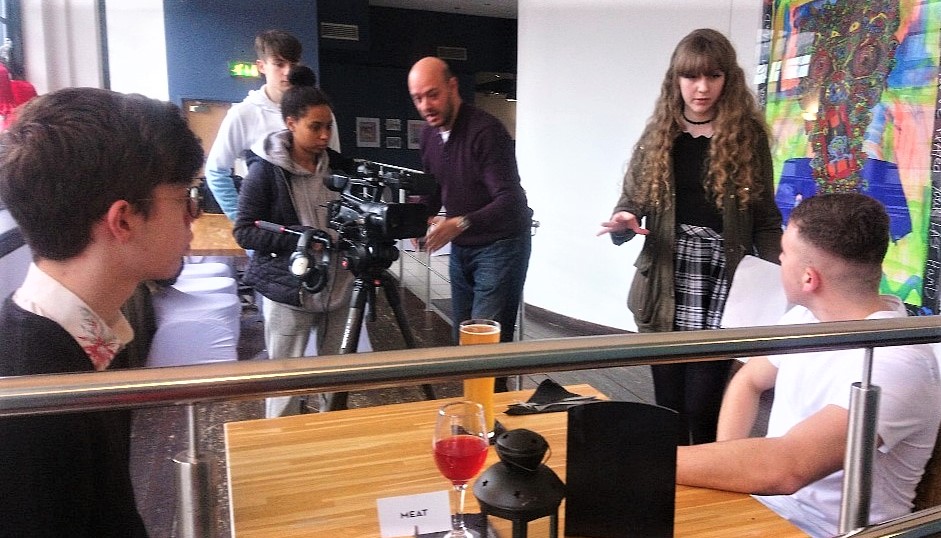
What is it like working in the film industry? (Consider hours, travel, freelance, working on set and budget. What are the pressures? What are the positives and negatives?) I would say that working in the film industry is hard because it will be long hours so the team members need to have patience but also some of the team members may start of as assistance so they may have to get food, products, also see and find locations which means that they will need to have a driving license.
What qualities do you need to work in the film industry? (E.g. Showing initiative, taking re-sponsibility, good time management, knowing your specialism) I would say you will need showing initiative, taking responsibility, good time management, knowing your specialism, good teamwork, effective communication skills, but also patience as it will be long hours.
What have you learned about the working culture of the industry from masterclasses and working on your own film production? I learnt that nobody can start at the top in the role they wanted to get into such as cinematographer, producer or director because they need to develop more by practicing but also by shadowing the specific role wanted by the individ-ual. for example, if I change my mind and decided I wanted to be the prop master I will need to make sure that I help out on a set of a film or TV show to get an insight of the role in de-tail but also be practical and hands on to know more about the role.
2.2 Describe a range of key job roles and responsibilities in the film industry
1. The first role is a producer which is the most important one because they are the ones that oversees film production. Either employed by a production company or working independently, producers plan and coordinate various aspects of film production, such as selecting the script; coordinating writing, directing, and editing; and arranging financing
2. A director controls a film’s artistic and dramatic aspects and visualizes the screenplay (or script) while guiding the technical crew and actors in the fulfilment of that vision. The director has a key role in choosing the cast members, production design, and the creative aspects of filmmaking.
3. A set designer oversees designing and creating the sets that appear in films and television programmes as well as in the theatre. The role involves working with and communicating with directors, producers, costume designers and other members of staff. Typical responsibilities include reading scripts.
4. Makeup Artist responsibilities include designing each character’s look, applying makeup products on actors’ faces and bodies and using prosthetics to create special makeup effects. Ultimately, you will ensure our actors look flawless on screen with makeup that brings their characters to life.
5. The Props Designer/ Manager is responsible for obtaining all props needed for the production. They also work with the Stage Manager in gathering appropriate rehearsal props early in the rehearsal process. They may also be called upon to help the Scene Designer dress the set.
All these roles must work together to make sure that the film is great and has all the resources that is need for the film and the set looks realistic if they are shooting the scene in a studio but they also need each other so the film comes together well.
2.3 Outline the potential progression routes into the film industry and wider sector
There are many ways that an individual who wants to be in the film industry can get in, but they must know the right person. Also they could start in a different role in the film industry and develop into what they originally wanted to be, this could be by showing what they can do but also by forming friendships with people that they worked for because then they will get help and directions to help them. An individual could also do the following to get into the film industry.
– Apprenticeships
– Entry-level jobs
– Studying filmmaking at university
– Online opportunities such as entering competitions, sharing work, networking with other filmmakers
– Film festivals
– BFI Film Academy progression (by doing residential courses, BAFTA mentoring and Future Skills)
Personal Progression Plan
In the film industry I would like to work in the props management area and develop into other roles in the film industry so that I can develop and learn from the producers and directors that I will be around and working with but also other roles. Firstly I would like to develop my skills more in my fine motor skills because I need more of them and develop my confidence more before I study film or creative media in further by maybe starting a YouTube channel and going out of my comfort zone more. I would like to work with BBC first so that I can see the behind the scenes and how they work before I work for any major media companies such as Netflix. This is because I want to develop my knowledge on the film industry more.
My next steps are to develop my confidence and fine motor skills before I start shadowing in the film industry because I want to ask more questions about the roles and after shadowing, I would like to do an apprenticeship in filmmaking. I also think that I may be interested in acting so I may take acting lessons and develop some acting skills after I develop my
confidence. I may book some roles as an extra in TV shows to see the development of each scenes.
The options for making my own content involves making a YouTube channel where I would do challenges, Q&A and many other contents but it will also help me with my editing skills. I wouldn’t really need funding for making a YouTube channel because I will be editing and filming the videos or maybe get my sisters to video. However, if I did struggle with editing, I could contact some people that did the course with me from the BFI academy to help me out.

 Danait Tebarek
(copying your feedback across from 12/12/19)
Hi Danait, similar feedback to before: watch your spelling – angles not angels. Great thoughts on pre-production. What are some other issues you make face in terms of unwanted items in shot? How could you resurrect this if you watch a scene back and find out you have a boom / sound recording device in shot? In terms of location, are there other resources you could use to create the impression of a café – you’d have to get permission to film in an actual café. How else could you create the idea that you are filming in a café, when in reality you’re filming in a studio?
Good work so far, you are making sure you answer each question clearly and concisely, however explaining exactly how you plan to use and develop your skills when filming your short film would give you a higher-level answer!
LikeLike
(feedback on 2.2, sent 12/12/09)
Danait, this is really great stuff. You’ve really considered each role and, more importantly, the ways these specific roles within a production team work together to collaborate. When you discuss make up artists, you say ‘you will ensure our actors look flawless on screen’. This should be they as it’s not a job spec. In your discussion of the Props Designer / Manager you say that they will work with the ‘Scene Designer’ to help dress the set, however above you’ve called this role Set Designer. Please can you use one term (I think set designer is more appropriate) to ensure consistency. Other than that, well researched and a great insight to how these roles work creatively as a team, in collaboration with each other
LikeLike